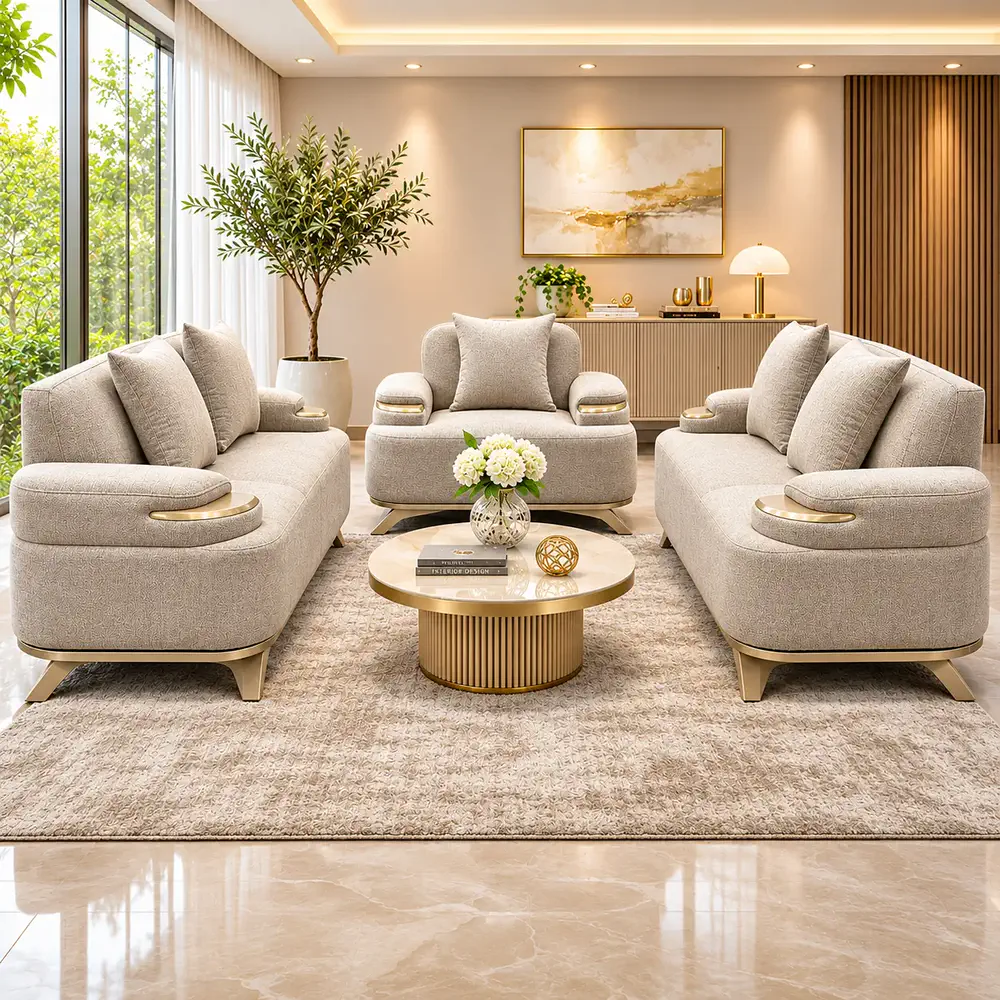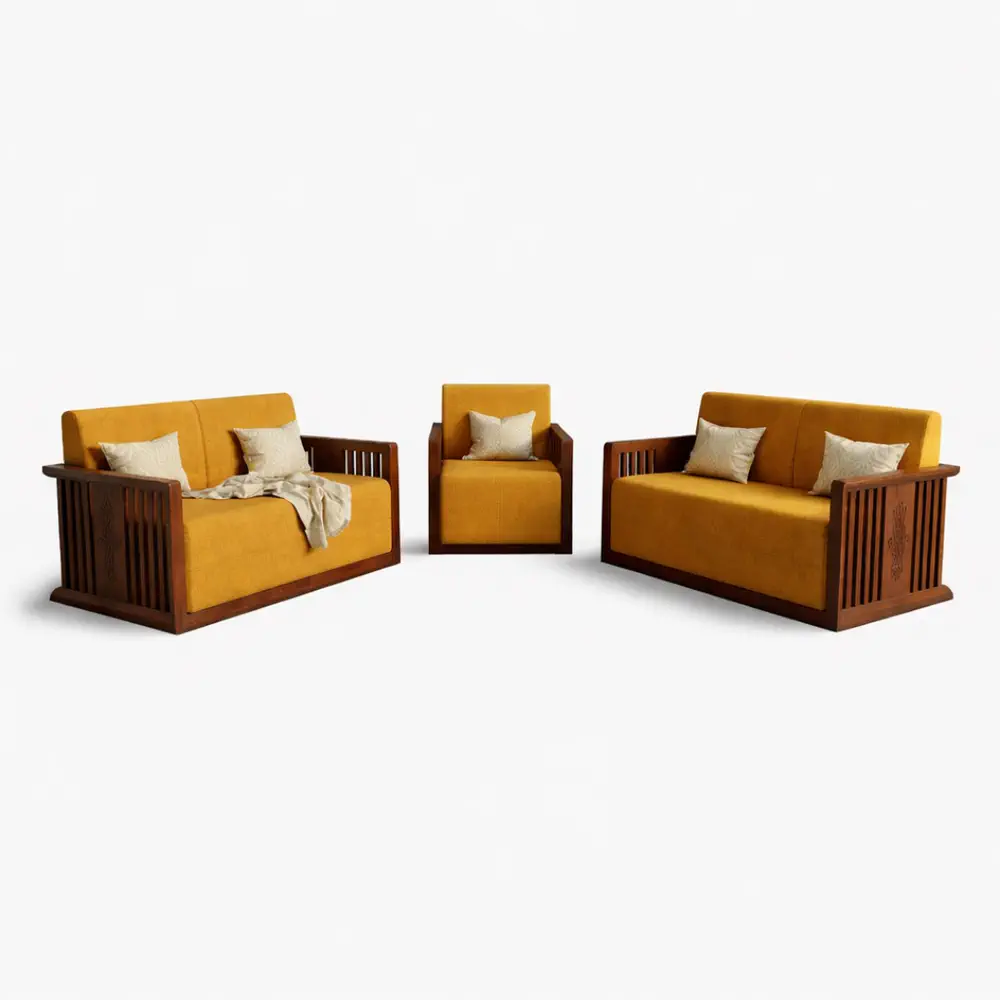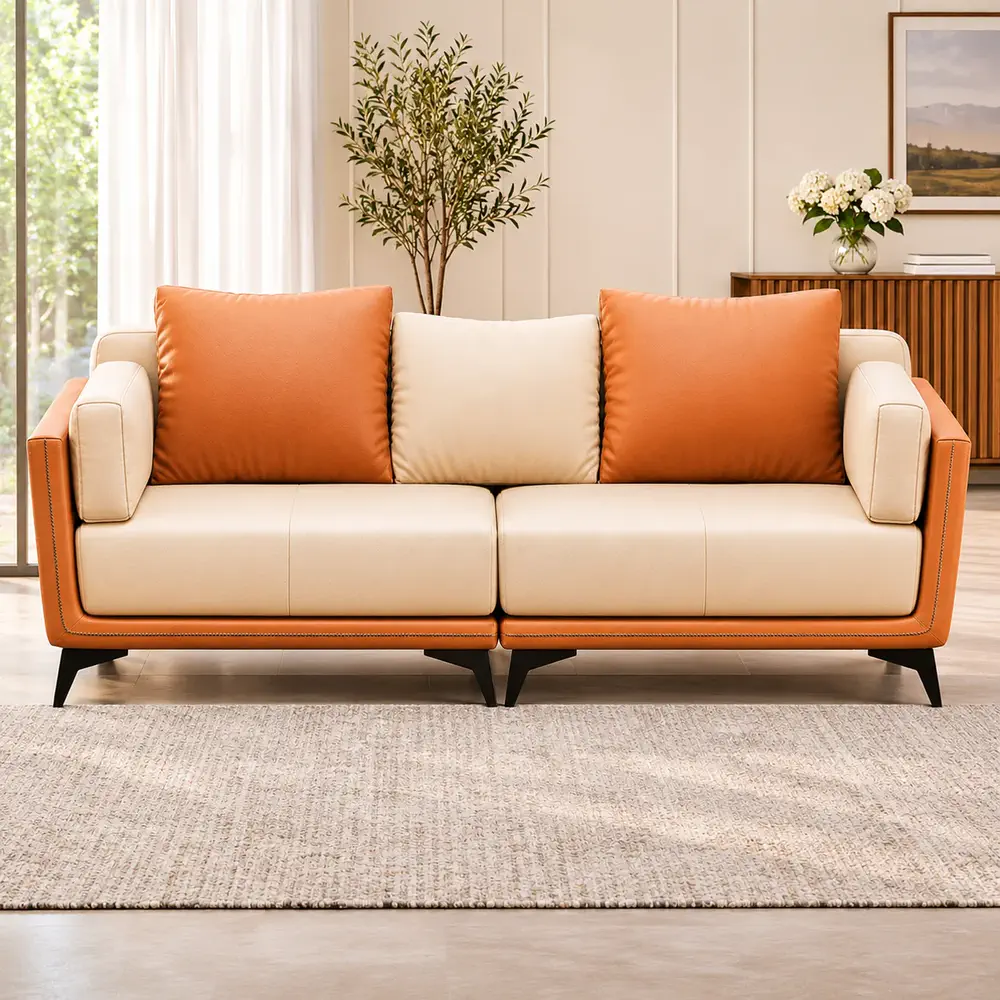
Where a single seater actually earns its space
A single seater is the piece people buy last and use most. It is also the piece most often parked in a corner where nobody sits, because it was chosen for the gap rather than for the person who would occupy it.
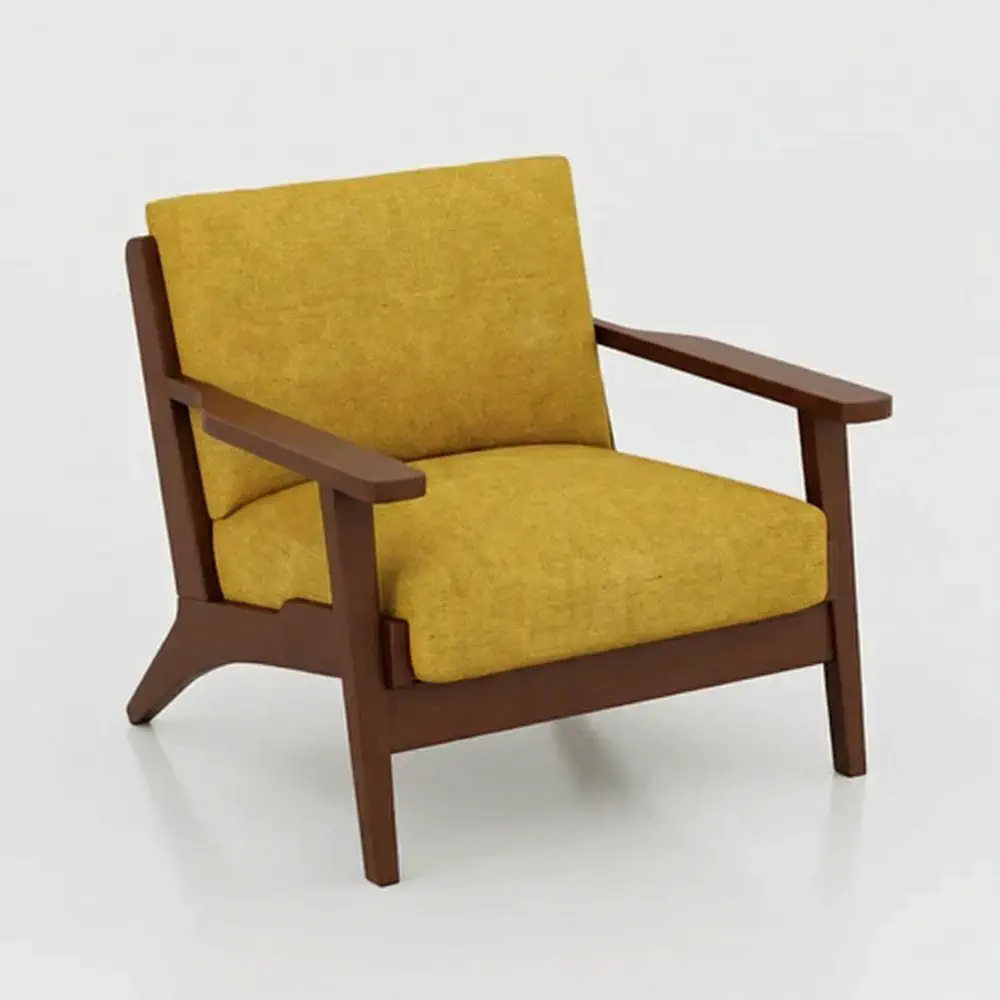
Placement decides this more than upholstery. Half a metre of clearance, a lamp within reach and a view of the door will turn an 800 mm chair into the seat everybody argues over. Get the placement wrong and no fabric saves it.
What a single seater is for
A single seater seats one adult at 550 to 650 mm of internal width, which is wider than a dining chair and narrower than half a two-seater. Its job is to give one person a complete seat with an arm on each side.
That completeness is the point. On a long sofa, the end seats are shared and the middle seat has no arm. A single gives a back, two arms and a defined edge, which is why older guests gravitate to it and why it rarely stays empty at a gathering. Two arms also mean two elbows, not one.
The half-metre rule
Leave 500 mm on at least one side of a single seater, and 700 mm in front if anybody needs to walk past. Push it tight into a corner and it becomes a shelf for bags within a week, however good the upholstery.
In a 3.4 metre room, a chair angled at 30 degrees from the wall behind it takes about 1.1 metres of depth. That angle is what makes a chair feel inviting rather than parked. Straight against a wall, the same chair reads as spare seating.
Building a reading corner
A single seater, a side table of 400 mm and a floor lamp within arm's reach make a corner that works without any other furniture. The lamp should sit behind the shoulder, not in front of the eyes, at about 1.5 metres from the floor for a reading light.
Add a 100 mm throw cushion at the base of the back if the seat is deep. A chair with 550 mm of seat depth suits most adults; beyond 600 mm, shorter sitters lose the back rest entirely.
Pairing with a three-seater
A single placed at right angles to a three-seater closes the conversation and leaves the floor open. Keep a 1.2 metre gap so people can cross without stepping around knees, and so the two pieces read as one group.
Match the fabric and the seat height within 30 mm, or the pair looks borrowed. A wooden single can sit beside a fabric sofa if the timber tone repeats in the legs or the table. Wood arms show scratches; fabric arms show grime.
When a single seater does not work
In a room under 2.8 metres wide, a single often costs the walkway it needs, and the walkway usually wins the argument. In that case a two-seater plus a chair that tucks under a desk serves better than three separate seats.
Measure the path from door to window before buying anything. If the chair narrows it below 800 mm, it will be moved within a month, and the corner will stay empty for the rest of the year.
Frequently asked questions
What is the standard width of a single seater?
Most sit between 750 and 900 mm overall, with 550 to 650 mm of internal seat width. Anything under 700 mm overall is closer to an accent chair and will feel tight for a full evening. Measure the internal width, not the outer frame.
Can a single seater work in a bedroom?
Yes, if there is 500 mm clear on one side and a lamp or window nearby. Keep it 600 mm from the bed edge so drawers can open. A seat depth under 600 mm matters in a small room, since a deeper chair crowds the floor.
Should a single seater match the sofa exactly?
Same fabric and same seat height is the safest combination. If you want contrast, keep the frame finish identical and change only the cushion. Two different covers in one sightline usually look like a mistake rather than a choice.
Where to go next
Current prices for this range are on the Sofa price list. If you want to compare two sizes side by side, start with Tulip Chair – Green / Dining. Send the wall measurement on WhatsApp and we will confirm what fits before you order.