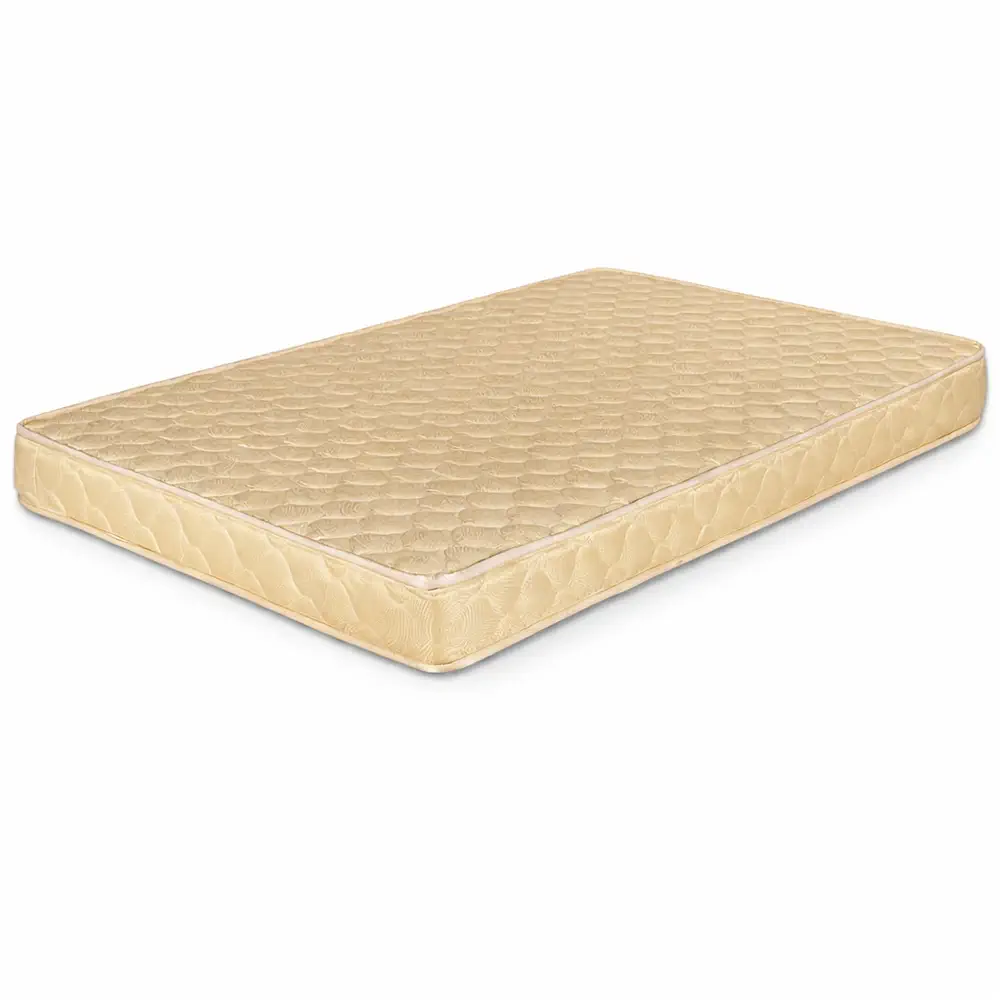
Termite prevention for wooden furniture
Termites do not eat a sofa because the timber is old. They eat it because the wood is damp, touching the floor, or close to a wall that stays wet through the monsoon. Remove those three conditions and most infestations never start.
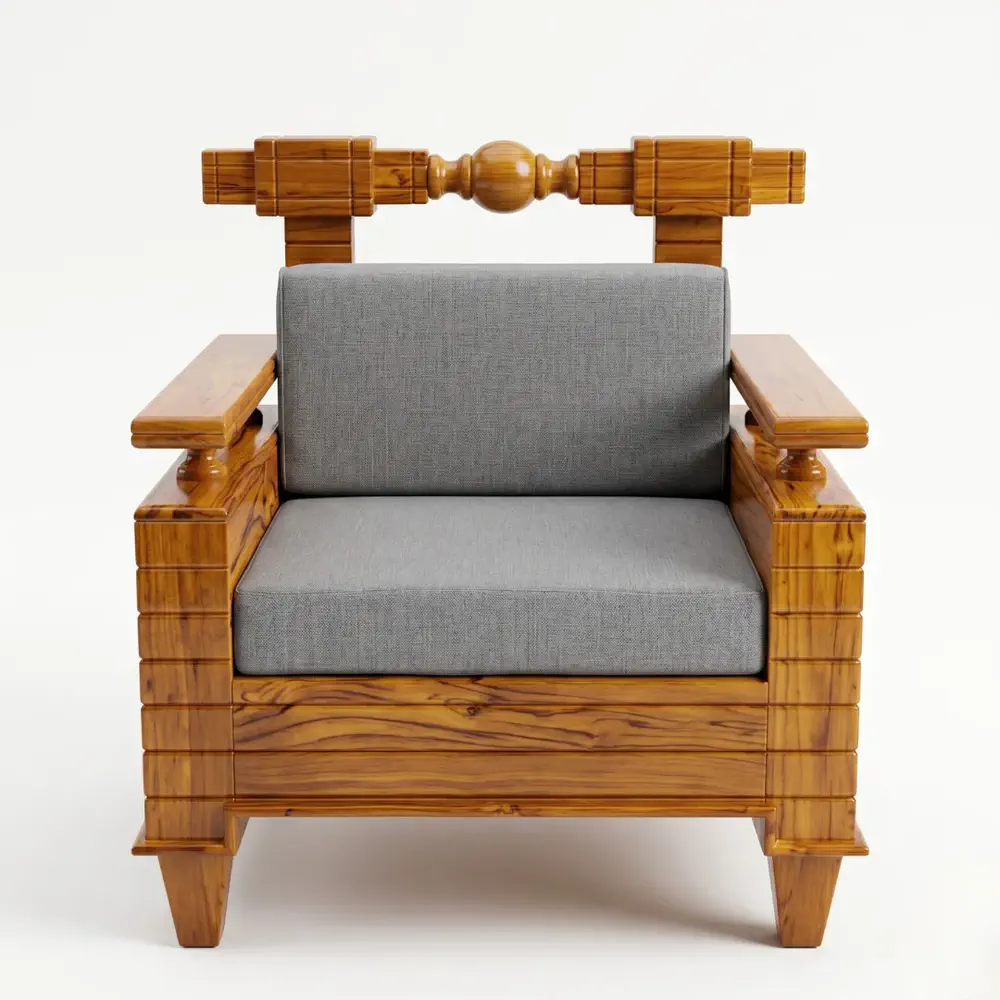
We dry timber to 8 to 12 per cent moisture content before it is cut, which removes the damp wood termites prefer. What happens in your flat after delivery decides the rest.
Break contact with the floor and wall
A wooden leg sitting directly on a damp floor is an invitation. Fit 5mm felt or plastic glides under every leg, and keep a 50mm gap between the back of a sofa or wardrobe and the wall. Termites build mud tubes across small gaps, so check those gaps monthly.
Skirting boards are the usual entry point. If the paint behind a sofa blisters or the skirting crumbles, moisture is already there. Fix the leak before treating the furniture, or the treatment will fail within a season. A leaking pipe behind a wardrobe is the most common cause we see.
Watch the moisture, not the wood
Termites need water. A 150mm gap under a bed frame, a slatted base and a dry floor remove most of what they need. Store nothing against an outside wall, including cardboard boxes, which hold damp and hide activity. A 100mm riser under stored boxes breaks the same path just as effectively.
Air conditioning helps but does not solve it. A room cooled to 24 degrees still has 60 per cent humidity if the door opens to a damp corridor. Check the back of wardrobes in. July and August, when the risk is highest A torch along the back panel shows tubes that daylight hides.
Inspect every three months
Look for mud tubes the width of a pencil along legs, skirting and the back panels of cabinets. Tap the timber with a knuckle: a hollow sound where the wood should be solid means the inside is gone. Probe soft spots with a screwdriver. A hollow note under a rail usually means the core has been eaten out.
Check under seat cushions and behind drawer backs, where light never reaches. Photograph anything suspicious with a ruler in frame, and message 01337-339693 before applying anything. A one-year warranty covers manufacturing defects, not an infestation that starts in the building. An infestation that starts in the building is the landlord's responsibility.
Rented flats and shared walls
A tenant cannot treat a building, only the furniture. Keep every piece 50mm off the wall, photograph the skirting when you move in, and report damp patches in writing to the landlord. Termites in a shared wall will find the flat eventually. Photograph the skirting when you move in, so the landlord cannot dispute the date.
Cardboard boxes stored under a bed are worse than furniture. They absorb moisture, hide activity and give a colony a bridge from the floor to a wooden frame. Use plastic crates on a 100mm riser instead, and keep the floor beneath the bed clear. A plastic crate on a riser is the only storage that survives a damp floor.
Treat early, and treat the source
A localised treatment on one leg buys time, not safety. If tubes appear on two pieces in the same room, the colony is in the wall or the floor, and a pest control visit is the next step. Ask them to treat the skirting line as well as the furniture.
After treatment, replace any leg that has lost more than 20 per cent of its section. A repaired leg carries load again; a hollow one fails without warning. Move the piece 50mm out from the wall and keep the gap clear. A leg that has lost 20 per cent of its section should be replaced, not filled.
Frequently asked questions
Does teak resist termites?
Teak is more resistant than soft timber because of its density and oil content, but it is not immune. A damp teak sofa against a wet wall will still be attacked. The gap, the glides and the moisture control matter more than the species.
How do I know if termites are inside the wood?
Tap the frame with a knuckle and listen for a hollow note, then probe with a thin screwdriver. Mud tubes along a leg or skirting are the clearest sign. Check behind drawers and under cushions, where activity stays hidden.
Should I spray the furniture myself?
A surface spray kills what it touches and does nothing to a colony inside a wall. If tubes return within a month, call a pest control service and ask them to treat the skirting line. Treating one leg repeatedly wastes money.
Where to go next
Current prices for this range are on the Wooden Sofa price list. If you want to compare two sizes side by side, start with the category page. Send the wall measurement on WhatsApp and we will confirm what fits before you order.