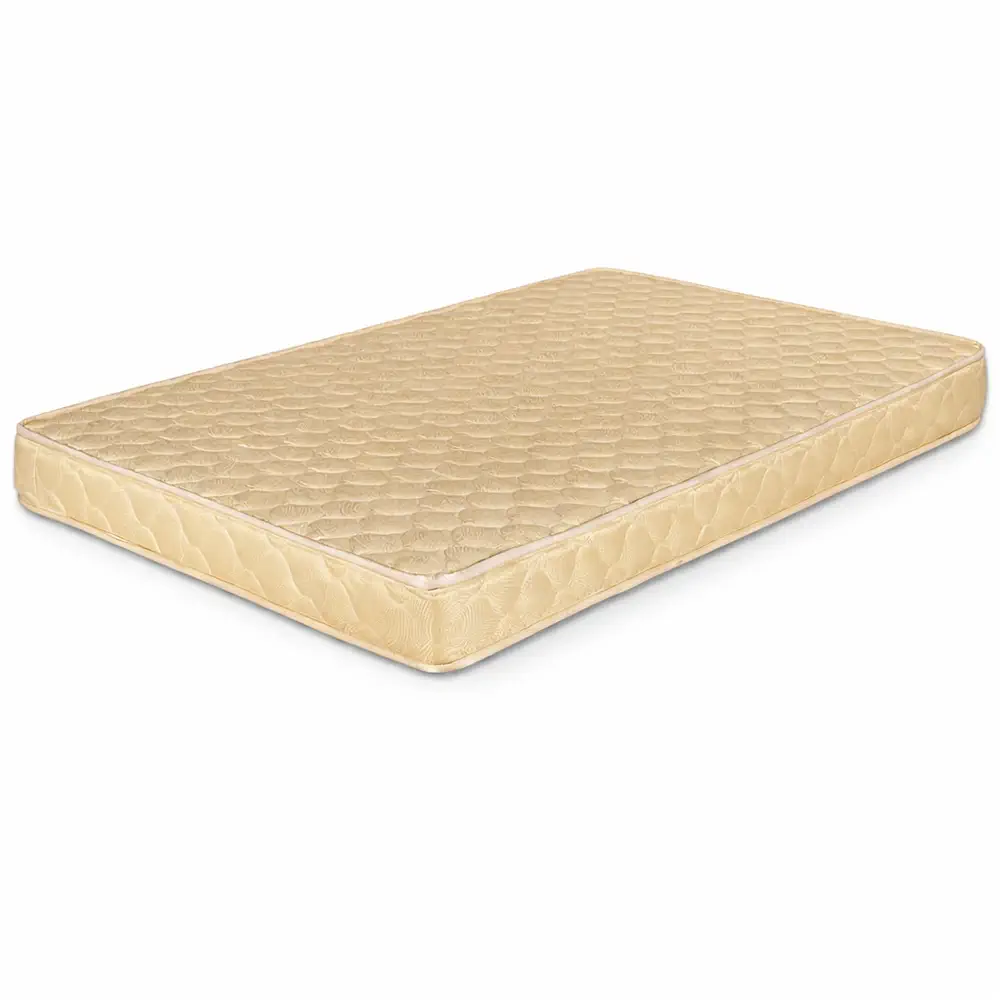
Laminate and melamine board care
Laminate is a thin sheet glued to a board core, usually 0.8mm over 18mm. The face can take a knife scratch and a hot cup; the edge cannot. Almost every failed laminate cabinet we see has damage at an edge or a joint, not in the middle of a panel.
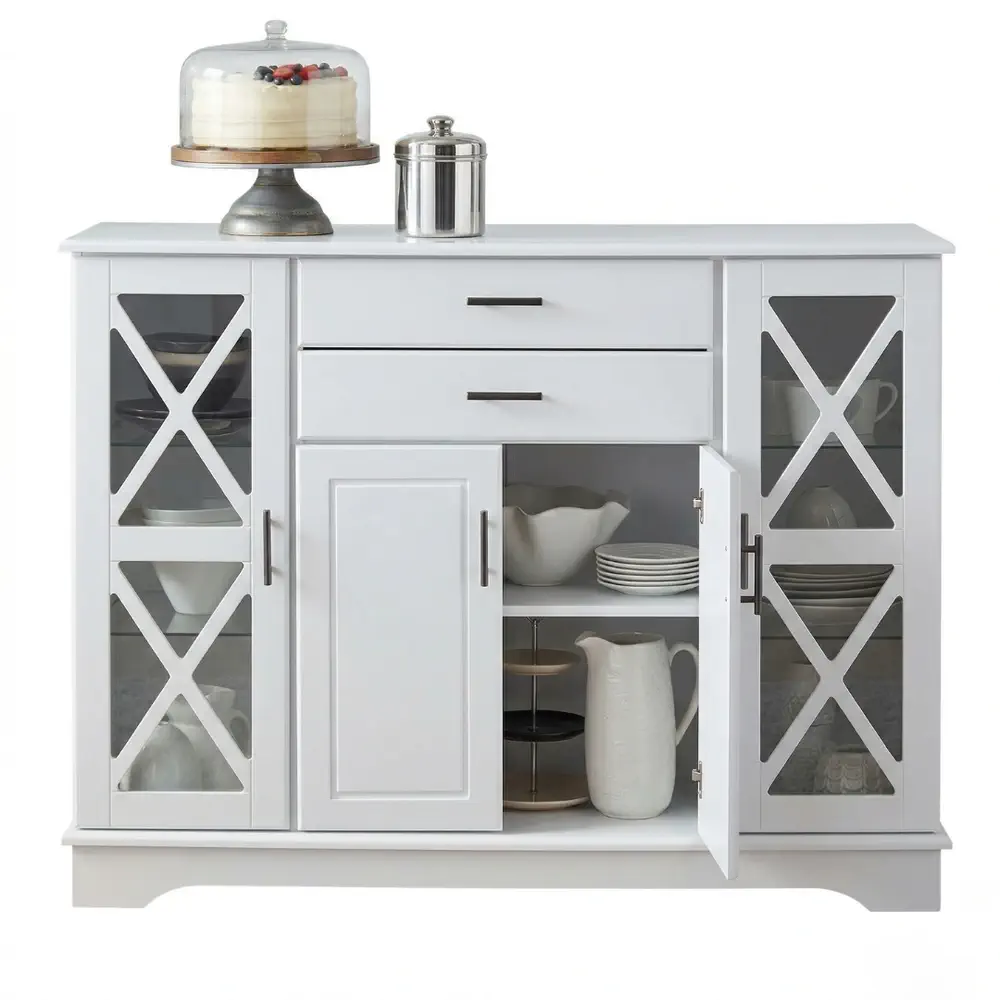
Melamine is a different product with a similar look, and it behaves differently around water. Knowing which one you own decides how you clean it.
Know which surface you have
Laminate has a visible layer you can feel at a cut edge, often 0.8mm thick, bonded to plywood or MDF. Melamine is a resin-impregnated paper pressed into the board itself, usually 18mm, with no separate layer to peel. A 0.8mm laminate sheet can be re-glued at a lifted corner; melamine cannot.
A laminate edge can lift and be re-glued. A melamine edge is the board, so damage there exposes the core directly. Run a fingernail along an inconspicuous edge to feel which one you have before choosing a repair. Look under a shelf, where the edge is visible and the finish is thin.
Water: ten minutes is the limit
Standing water reaches the core through seams, screw holes and unbanded edges. Wipe a spill within 10 minutes and dry the joint with a cloth, not a soaking sponge. Around a sink, run a bead of silicone along the worktop join every two years. Replace the bead when it lifts, because a 2mm gap lets water behind the top.
Never flood a laminate top to clean it. A wet cloth left on the surface for an hour pushes water into the edge banding, and the board swells 8 to 12 per cent, which does not reverse. Steam from a kettle does the same over months.
Heat, knives and the right cloth
A hot pan straight from the hob will scorch laminate at around 180 degrees. Use a 5mm mat or a trivet, and keep the kettle on a mat rather than directly on the top. Melamine tolerates less heat than thick laminate. A trivet costs less than a new door front, and it takes no effort to use.
A microfibre cloth with warm water handles most marks. For grease, a drop of washing liquid, then rinse and dry. Avoid scouring powder, steel wool and bleach, which dull the surface and leave a chalky patch that never matches. A microfibre cloth and warm water handle almost every mark on a laminate top.
Worktops, sinks and the silicone line
The joint between a worktop and a wall is where water gets in. A silicone bead at 5mm covers the gap and stays flexible for about two years. Cut the old bead out with a plastic scraper, clean with spirit, and lay the new one in a single pass.
Around a sink, check the underside of the worktop through the cabinet once a month. A drip from the trap lands on the board and swells the core before anything shows on the top. A 1mm PVC tray under the trap catches it, and if the sink cut-out sits within 100mm of the front edge, watch that strip closely.
Edges, hinges and the yearly check
Check the edge banding on doors and drawer fronts every few months. A 2mm PVC band that has lifted 5mm should be re-glued before it catches on a cloth and peels further. Warm the band with a hair dryer, press it back, and hold for 30 seconds.
Tighten hinge screws once a year; a loose screw enlarges the hole and lets water in. If a screw spins, fill the hole with a matchstick and wood glue. Note the cabinet width and door count, then message 01337-339693 for a replacement band or door.
Frequently asked questions
Can I use bleach on a laminate counter?
No. Bleach dulls the surface and leaves a patch that catches light differently from the rest of the top. Warm water with a drop of washing liquid lifts grease. For stains, a paste of baking soda left for five minutes is safer.
Why is the edge of my cabinet swelling?
Water has reached the core through a lifted band or an unsealed screw hole. Dry it, re-glue the banding with contact adhesive, and seal the joint with silicone. Swollen board does not return to its original thickness, so prevention matters.
How hot is too hot for laminate?
Keep anything above 60 degrees off the surface, which includes a pan straight from the hob at 180 degrees. A 5mm cork or silicone mat under a kettle is enough. Melamine tolerates slightly less heat than a thick laminate sheet.
Where to go next
Current prices for this range are on the Kitchen Cabinet price list. If you want to compare two sizes side by side, start with Aura Kitchen Cabinet – White Laminate and MDF Kitchen Cabinet – Chocolate. Send the wall measurement on WhatsApp and we will confirm what fits before you order.